Artificial Intelligence
The AI writing generator that made me rewrite this lede three times
AI writing tools are evolving from spell-checkers to co-authors, raising questions about originality, voice, and the value of the human rewrite.
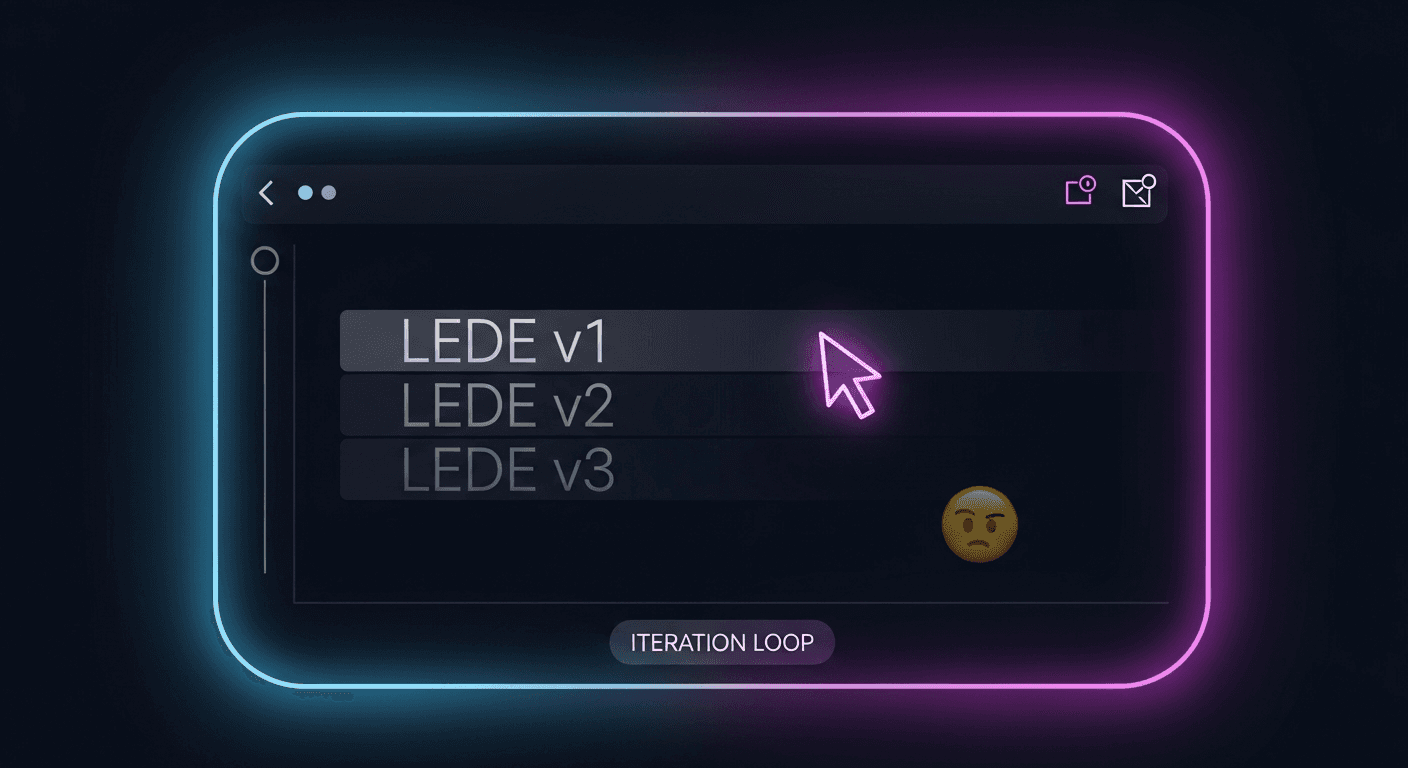
The cursor blinks. You type five words. The AI finishes the sentence. You delete it. You try again. The AI offers a paragraph. You delete that too. Two hours later the document is still a single unsatisfactory paragraph. And the AI has written more of it than you have.
This is the paradox of your modern AI writing assistant. The technology is astonishingly good at generating fluent, plausible prose about anything. But fluency is not authorship. And the more capable these models get, the more they expose a tension you cannot ignore: you want the machine to do the hard part, but you still want to feel the final product is yours.
The ghost in the word processor
Tools like ChatGPT, Claude, Jasper, and Copy.ai can produce blog posts, marketing copy, student essays, and even poetry in seconds. The barrier to entry is gone. Someone who struggles to string two sentences together can now generate a passable 1,000-word article in under a minute. For businesses that is a productivity miracle. For writers it is an identity crisis.
The classic argument that AI cannot write with soul and lacks lived experience is getting harder to defend. Models can mimic tone, structure arguments, and even inject humor. You can prime them to write in the style of a specific author. What they cannot do is know what you mean to say before you say it.
“The real challenge is not that AI writes badly. It is that it writes too well and too plausibly about topics it understands nothing about.”
The rewrite as the new first draft
Something quieter is happening in the craft. Professional writers are not using AI to write for them. They use it to generate drafts they can rewrite. The act of editing, of injecting personal voice, fact-checking, and shaping, becomes the primary creative act. The AI supplies the scaffolding. The human supplies the building.
That is not necessarily a bad thing. Many writers already use outlines, research notes, and writing prompts as scaffolding. AI is just a faster, more elaborate version of those tools. But there is a trap. The more polished the AI draft, the more effort it takes to rewrite it meaningfully. It is easier to polish a turd, as the saying goes, than to reshape a diamond.
Voice is the last moat
In a world where anyone can generate an SEO-optimized blog post in seconds, what remains scarce is not output. It is voice. The idiosyncratic, opinionated, sometimes flawed perspective only a human can bring. An AI can tell you how to install a package. It cannot tell you why the package is a terrible idea in production, or why the alternative you built yourself last year was better.
The writers who will thrive are not the ones who resist AI. They are the ones who use it as a cheap, fast draft machine and then invest the real effort in the rewrite. The ones who learn to spot the AI's confident fabrications. The ones who can spot a generic sentence and replace it with something only they could write.
The real blank page is still there
AI writing assistants do not solve the blank page problem. They just move it. Instead of staring at an empty document, you now stare at a plausible, lifeless block of text you did not write. And you have to summon the vision and courage to tear it apart and make it your own. For anyone who cares about writing, that is still the hardest part.
The cursor blinks. You read the AI's paragraph. You take a breath. You hit delete.