Open source
Microsoft just opened a codebase that kills the worst part of enterprise data work
Data Formulator 0.7 is an open-source AI system from Microsoft Research that helps enterprise teams connect fragmented data sources, prepare and analyze data with context-aware agents, and iteratively refine visualizations in a shared workspace, all without requiring SQL or programming skills.
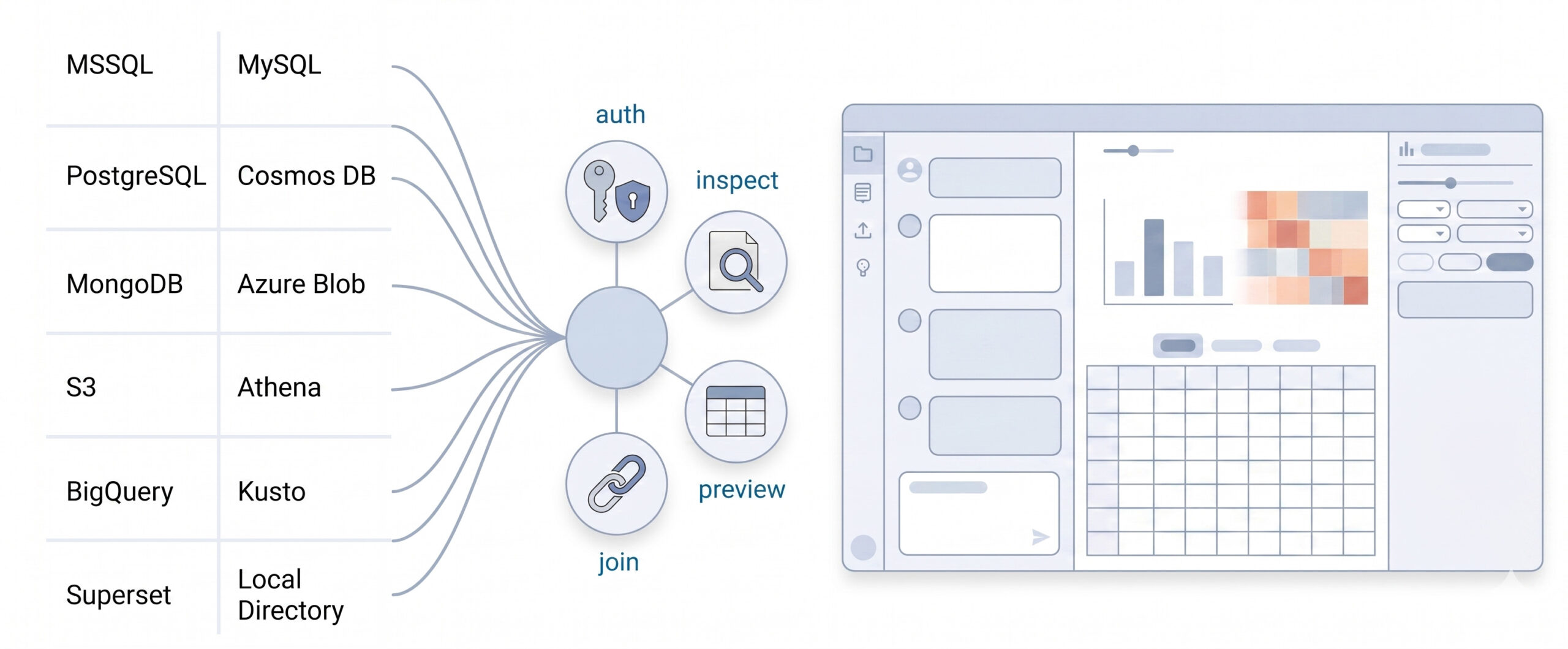
Microsoft Research shipped Data Formulator 0.7, an open-source AI system built for the fragmentation that plagues enterprise data analytics. The platform layers data connectivity, context-aware agents, and a multimodal interface to let analysts explore, prepare, and visualize data without being hardcore programmers.
Enterprise teams routinely hit headaches with data workflows that span multiple storage systems and tools. Before real analysis can start, they set up governed connections, prepare metadata, manage permissions, and stitch together workflows for combining data from disparate sources. Data Formulator 0.7 aims to cut through that overhead with a unified workspace.
Data Connectors
The core of this release is the Data Connectors feature, offering governed, reusable connections across databases, data warehouses, business intelligence systems, object stores, and local files. Persistent connections with authentication, previews, and metadata management reduce integration work for platform teams and let users pull from centrally managed sources instead of repeatedly uploading files by hand.
This fits enterprise demands for governance and reproducibility. Connections are reusable, shareable assets, so teams standardize data access without rebuilding integration pipelines from scratch for every new project.
Context-aware agents
Data Formulator's AI agents keep an eye on the full analysis workspace: connected data sources, loaded tables, prior charts, and the user's stated goal. Instead of single-turn prompt exchanges, they reason through tools, inspecting data, writing and running code in isolated environments, generating chart specs, and explaining results while showing the intermediate steps.
When a request is fuzzy, the agent asks clarifying questions. This structured back-and-forth supports complex workflows: aligning analyses with user objectives, preparing and transforming data, suggesting follow-up questions, batch-generating tables and charts, and producing verifiable, reproducible code for every result.
Iterative workspace
Data Formulator pairs its agents with a multimodal interface for open-ended analysis. The Data Thread is a structured chat that logs every question, intermediate finding, and chart. Users revisit earlier steps, branch into alternative analyses, and compare them side by side without losing their place.
An interactive canvas works alongside the chat, letting users edit visualizations directly. As analysts shift from exploration to presentation, they can tweak charts on the canvas or describe changes in plain language and let the agent adjust labels, annotations, layout, color, and emphasis. The platform also supports generating reports and sharing findings.
Microsoft Research released Data Formulator 0.7 under an open-source license, with the code up on GitHub. Teams building analytics workflows for enterprise data can use the project as a foundation to adapt these capabilities to their own systems and needs.